Why Stainless Steel Gets So Bad - Fast
Commercial kitchen stainless steel is one of the most abused surfaces in any restaurant. It sees hundreds of degrees of heat, oil spray, steam, acidic food residue, and chemical cleaners - often daily. Staff wipe surfaces during service, but that surface-level cleaning only smears grease around. Over weeks and months, layers of carbonized oil bake onto prep tables, hood panels, equipment sides, and backsplashes.
The result? A grimy, discoloured surface that looks bad, harbours bacteria, and signals to health inspectors that deeper maintenance has been skipped. In Edmonton's competitive restaurant scene, that's a problem you can't afford.
"Most kitchen managers think their stainless is clean because staff wipe it down every night. What they don't see is what's been baking onto it for the last six months."
- KL Cleaning Field Supervisor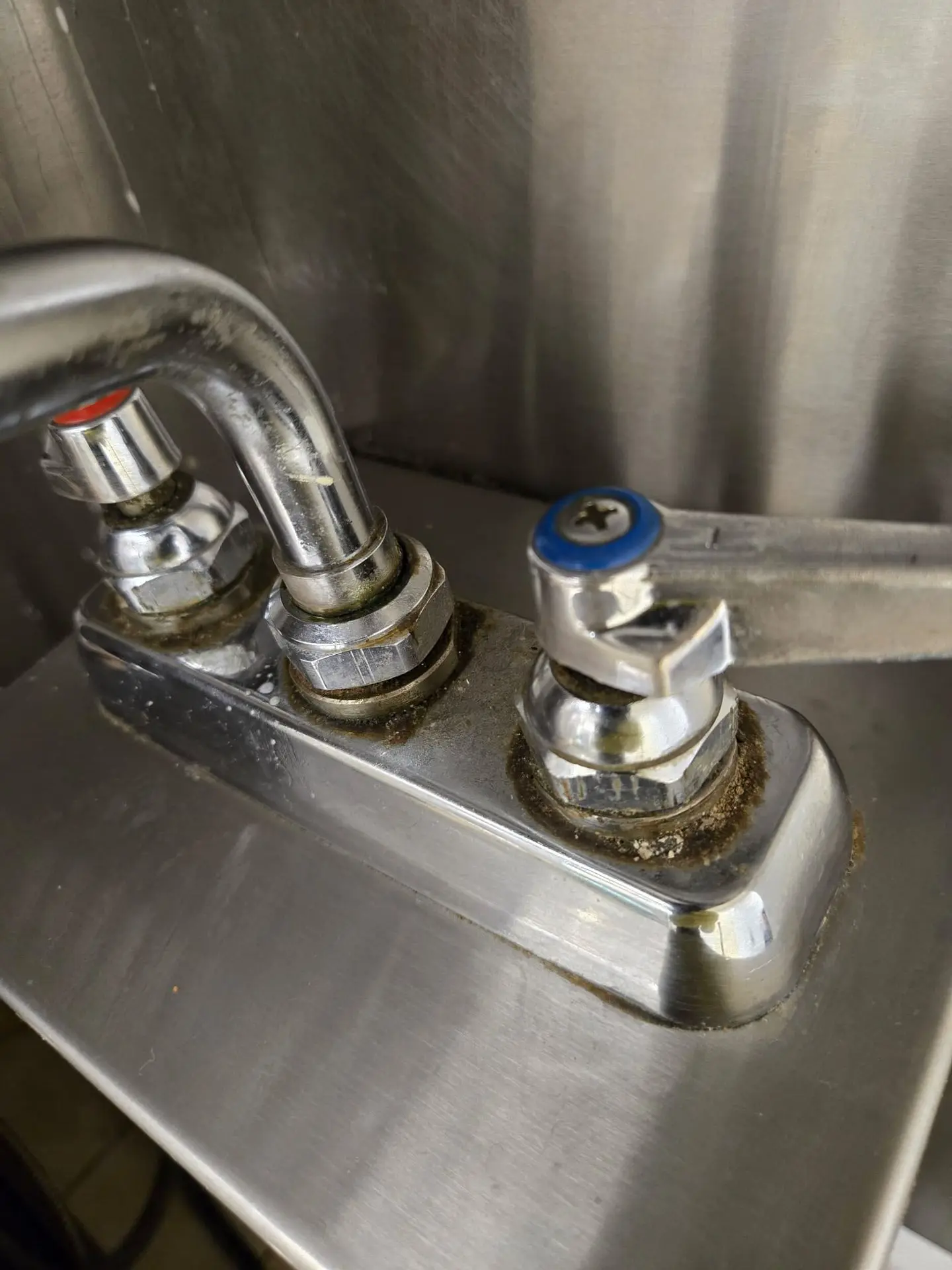
The KL Cleaning Stainless Restoration Process
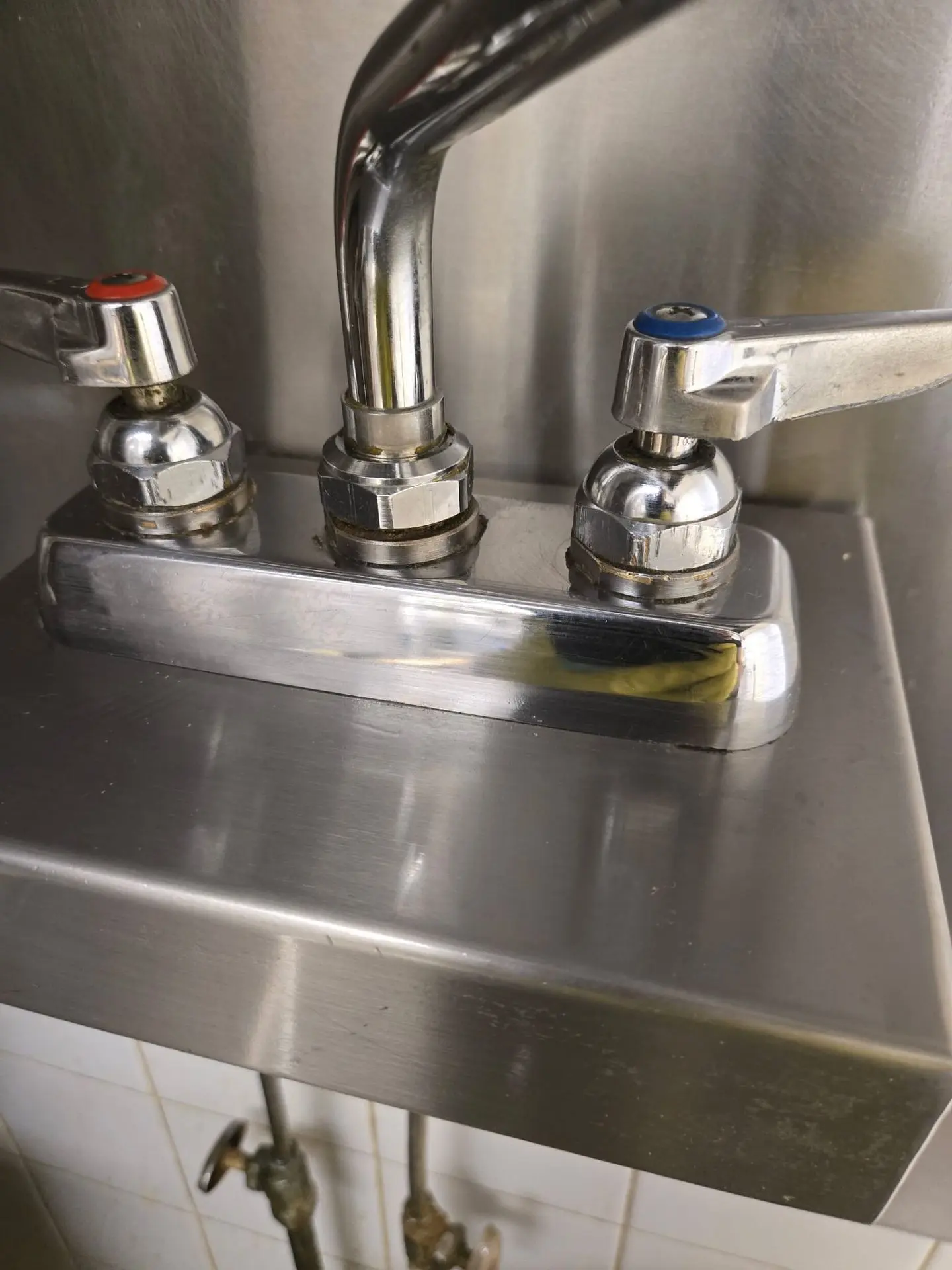
Our restoration isn't a spray-and-wipe. It's a multi-stage process designed to remove every layer of contamination without scratching or damaging the surface.
Assessment & Surface Mapping
We identify all stainless surfaces, note grain direction, assess oxidation level, and flag any scratched or damaged areas that need special treatment.
Dry Scrape of Heavy Carbon Deposits
Thick carbonized buildup is carefully scraped using non-scratching tools before chemical treatment begins. Skipping this step wastes chemical and time.
NSF-Certified Degreaser Application
We apply a food-safe, NSF-certified heavy-duty degreaser and allow appropriate dwell time for the chemistry to break down grease bonds at the molecular level.
Agitation & Scrubbing (Grain-Aligned)
All scrubbing follows the grain of the stainless to avoid micro-scratches that harbour bacteria and cause premature corrosion.
Hot Water Rinse & Residue Check
Surfaces are thoroughly rinsed and visually checked under bright light for any remaining buildup before finishing.
Stainless Polish & Passivation
A food-safe stainless polish is applied in the direction of the grain, restoring the protective chromium oxide layer and extending time before the next deep clean is needed.
Kitchens that have used steel wool or cross-grain scrubbing have micro-scratches that harbour listeria and other pathogens. If this describes your kitchen, mention it when booking - we have a remediation process for this.
Which Surfaces We Restore
Our stainless restoration service covers every stainless surface in your kitchen:
- Prep tables and work surfaces
- Exhaust hood panels and canopy undersides
- Backsplashes and wall panels
- Refrigeration unit exteriors
- Dishwasher and sink exteriors
- Equipment sides: fryers, ranges, ovens, steamers
- Shelving units and speed racks
- Pass-through windows and service counters
Why Edmonton Restaurants Trust This Process
Alberta Health Services inspections check for more than food temperature - they look at the physical cleanliness of surfaces. Heavily stained or oxidized stainless is a flag, even if technically it's been wiped. A kitchen that looks clean inspires confidence in inspectors, staff, and customers.
Beyond inspections, a restored kitchen is faster to maintain. Staff can achieve an actual clean with a daily wipe because they're not fighting through months of buildup. That saves labour time and reduces your ongoing cleaning costs.
How to Maintain Stainless After Restoration
Restoration gives you a clean baseline. Here's how to protect that investment:
- Wipe with grain - always rub in the direction of the grain, never across it
- Use a dedicated stainless cleaner - not general-purpose sanitizer, which can leave mineral deposits
- Address spills immediately - especially acidic foods (tomato, citrus, vinegar)
- Dry after cleaning - standing water causes water marks and mineral buildup
- Book a professional deep clean every 3–6 months - see our guide on how often commercial kitchens need deep cleaning
Also see: our floor degreasing process · Edmonton health inspection checklist · exhaust hood cleaning guide